Food

Tuesday, 24 February 2026
16 facts about Chocolate
A delicacy not only for a sweet tooth
Chocolate is one of the most popular foods and flavors in the world. It was already known 4 thousand years ago. The ancient inhabitants of today's Mex ...

Did you know?

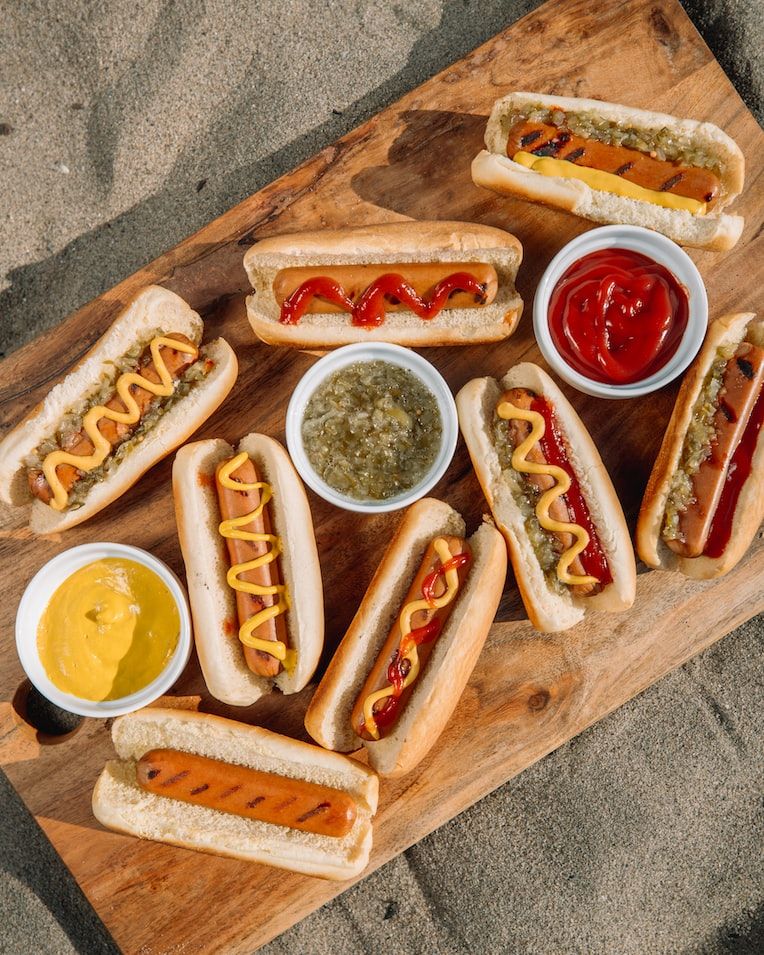
Hot dog
Hot dogs were served to King George VI and Queen Elizabeth the Queen Mother by the U.S. President, Franklin Delano Roosevelt.
The King and Queen of England visited the U.S. in 1939. President Roosevelt and his wife, Eleanor, h ...
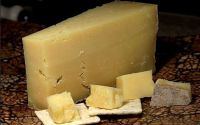
Parmesan
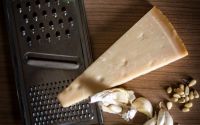
Parmigiano Reggiano is made from unpasteurized cow's milk.
The milk from the morning milking is mixed with the naturally skimmed milk from the evening milking ...
Halva
Despite being a high-calorie product, halva is very beneficial.
Although it contains 468,9 kcal in 100 grams, it has a high nutritional content of beneficial fatty ...
Maple syrup
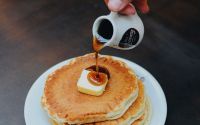
A single tree produces a maximum of 12 liters of juice per day.
In season, it is from 35 to 50 liters. About 7% of the total amount of sap flowing through the tree is obtained in this process.
Honey
Honey is a sweet, viscous food substance produced by honey bees and some other Hymenoptera (such as wasps).
Bees produce honey from the sugary secretions of plants (flower nectar) or the secretions of other insects (honeydew) by returning food, enzymatic activity, and evaporating water.
Sushi
Because of the number of vitamins and minerals, sushi possesses great health benefits.
It is recommended for people struggling with mental problems, such as mood swings and depression. It ...
Eggs
In ancient Rome, meals often began with egg dishes.
The Romans knew many ways to preserve eggs. In the Middle Ages, eating eggs was forbidden during Len ...
Parmesan
The milk for the production of Parmesan comes from reggiana cows breed.
The cows are fed with dry fodder, fresh grasses and meadow hay. They are not fed with silage. Milk f ...
Pizza
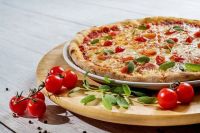
The art of making Neapolitan pizza was included on the UNESCO list of intangible cultural heritage in 2017.
Maple syrup
A syrup of this density is filtered to remove sugar crystals and calcium malate.
The filtered syrup is placed in the target containers while hot (usually 82 degrees C or more). To sterilize the stopper, the containers are turned upside down.