Geography

Monday, 26 January 2026
16 facts about Hawaii
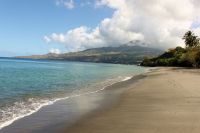
Volcanic paradise
This picturesque archipelago located in the middle of the Pacific Ocean owes its creation entirely to volcanic eruptions. Lush deciduous forests inter ...

Did you know?

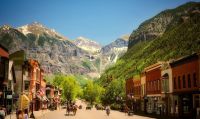
Colorado
The U.S. Route 34 (US 34) highway runs through the Rocky Mountain National Park.
It is known as Trail Ridge Road and is the third-highest (3,713 meters above sea level) paved highway in the United States.
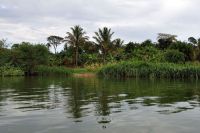
Nile river
Already in ancient Egypt, the river was a critical transportation route.
The boats were used, for example, to transport 80-ton blocks of red marble quarried in Aswan, which ...
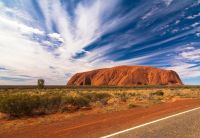
Uluru
Despite the Anangu tradition that allows only certain elderly males to climb the rock, tourists were allowed to climb Uluru until 2019.
To help with the climb, a metal chain was installed in 1964, but as of October 2019, it is no longer ...
Lake Superior
During storms, waves may exceed 6 m (20 ft) in height.
Even 9m (30 ft) high waves have been recorded in history, but such large ones rarely form.
Gulf of Mexico
The coral reefs of the Gulf are inhabited by rare variants of algae and fungi.
Mountains
The highest volcanic cone in the world is Ojos del Salado.
It is a dormant volcano in the Andes on the Argentina-Chile border. The volcano is 6893 meters high and is listed on Volcanic Seven Summits. Last eruption of this giant occurred about 1270 years ago.
Rio Grande
The Rio Grande has over 100 tributaries.
The largest in terms of discharge is the Rio Conchos.
Negev
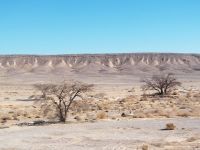
The Negev is a rocky desert.
There are brown mountains cut by wadi (dry seasonal river beds) and deep craters.
Lake Como
Due to the mild climate, the vegetation around the lake is very diverse and lush.
In the upper part of the lake, a thermal wind - breva - almost always blows.
Lake Tanganyika
Life in Lake Tanganyika occurs up to a depth of 200 meters.
Due to the low fluctuations in the ambient temperature, surface waters do not mix with deep water, which prevents oxygen transport from the surface to the lower parts of the lake.