Cities

Wednesday, 7 January 2026
20 facts about Stuttgart
A German city with the highest standard of wealth
Stuttgart is one of the largest agglomerations in Germany, the capital of the state of Baden-Württemberg. It is a city with a rich wine tradition, the ...

Did you know?

Rome
Rome is called the Eternal City.
Even the ancient Romans called it that. They claimed that no matter what happened, their city would survive and continue to flourish.
Dubai
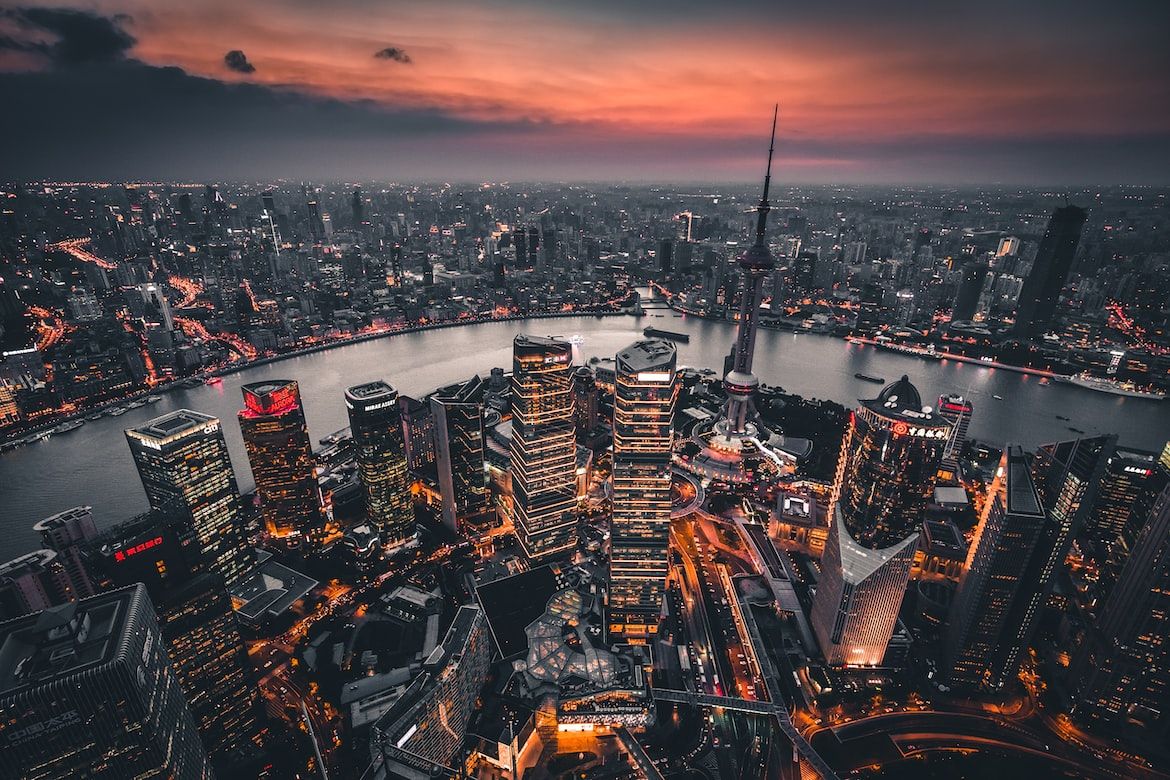
The majority of Dubai's population is foreigners.
They are usually newcomers from South and Southeast Asia, as well as numerous expats from various countries.
Helsinki
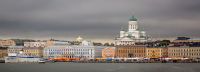
Helsinki has close historical ties with Tallinn, Stockholm and St. Petersburg.
It is located 80 kilometers north of Tallinn in Estonia, 400 kilometers east of Stockholm in Sweden, and 300 kilometers west of St. Petersburg in Russia.
Saint Petersburg
Built by Peter I, the city was to be entirely made of brick.
It was being built in very difficult conditions (swampy, unfamiliar terrain, low temperatures). The ...
Paris
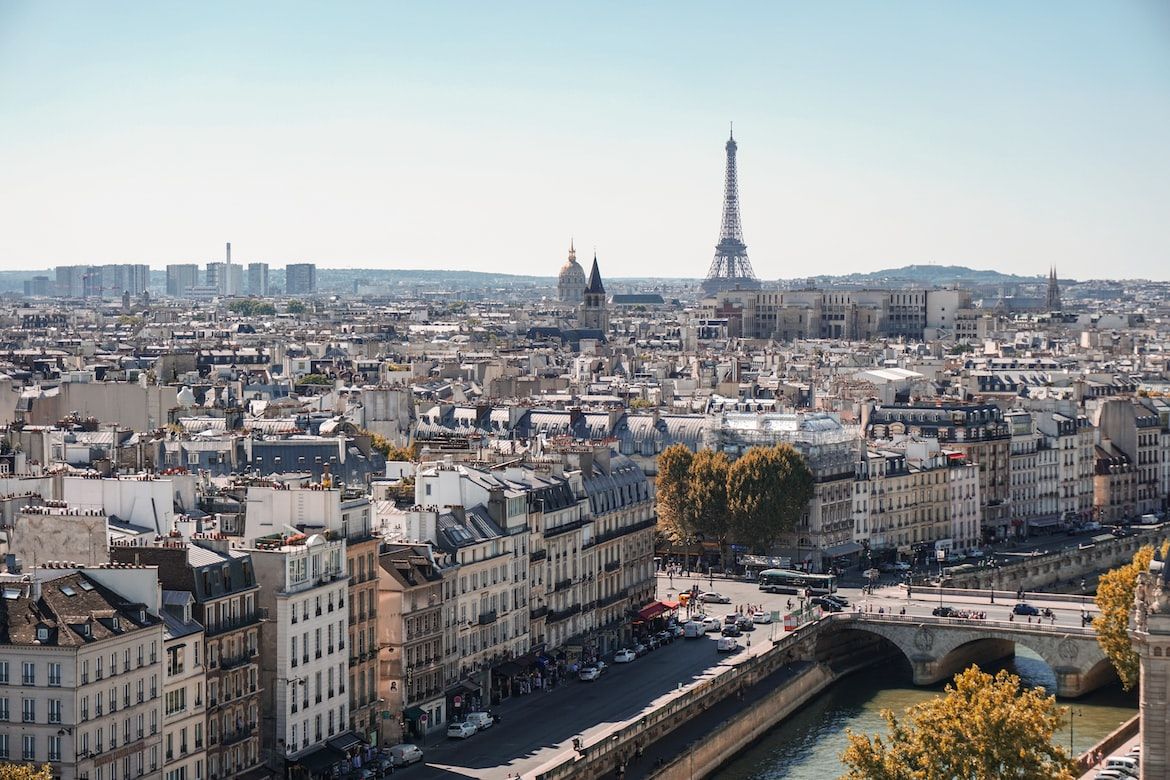
Despite being one of the most recognizable symbols of Paris, the Eiffel Tower was, and still is, despised for its ugliness by many Parisians.
It is called a scar on the beautiful panorama of the city.
Epheseus
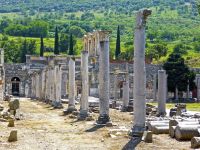
Ephesus is located in the west of Anatolia - a historical land in Turkey, 6 km from the Aegean Sea.
It is located between the cities of Izmir (formerly Smyrna) and Aydin.
Munich
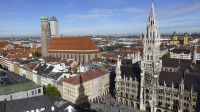
The official date of foundation of the city is June 14, 1158.
However, it is known that it existed earlier because fragments of pottery shards from the period pre ...
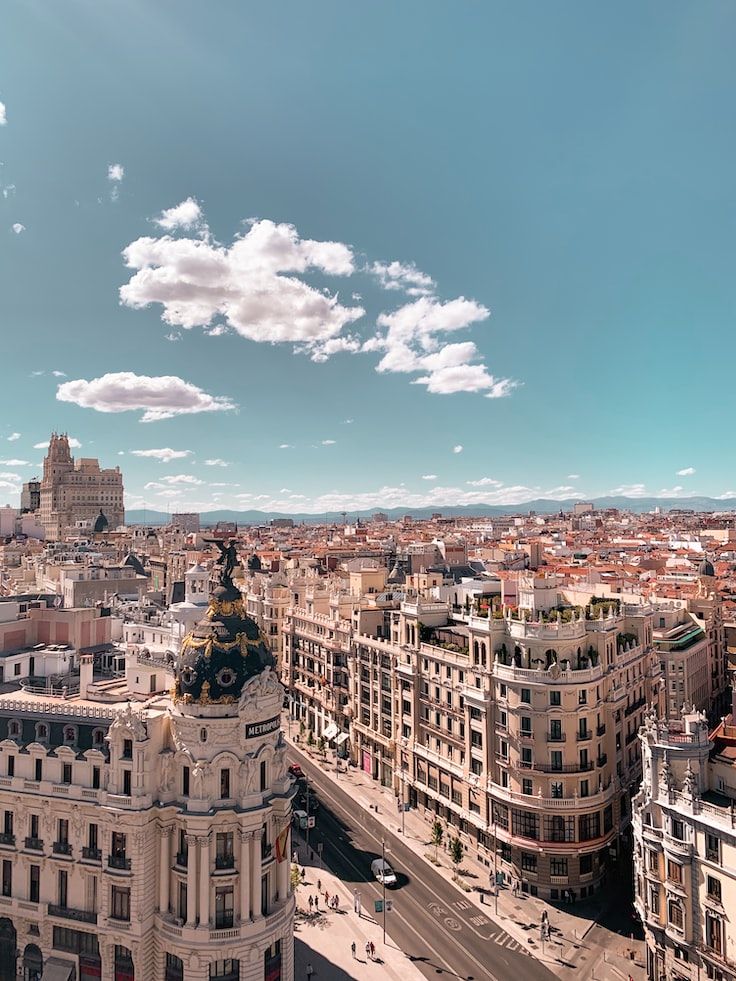
Madrid
The entire road system in Spain is measured from kilometer zero, situated in front of the post office building at Puerta del Sol.
This point is considered the center of both Madrid and Spain.
San Gimignano
In 1990, the historic center of San Gimignano was declared a UNESCO World Heritage Site.
The town is also known for its saffron, Golden Ham, pecorino cheese, and Vernaccia di San Gimignano ...
Potsdam
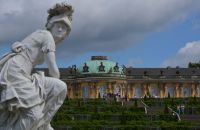
After the announcement of the Edict of Potsdam, which encouraged Protestants to settle in Brandenburg, Potsdam became a center of European immigration.
The religious freedom prevailing there attracted people from France (Huguenots), Russia, the Netherl ...