Animals

Monday, 2 February 2026
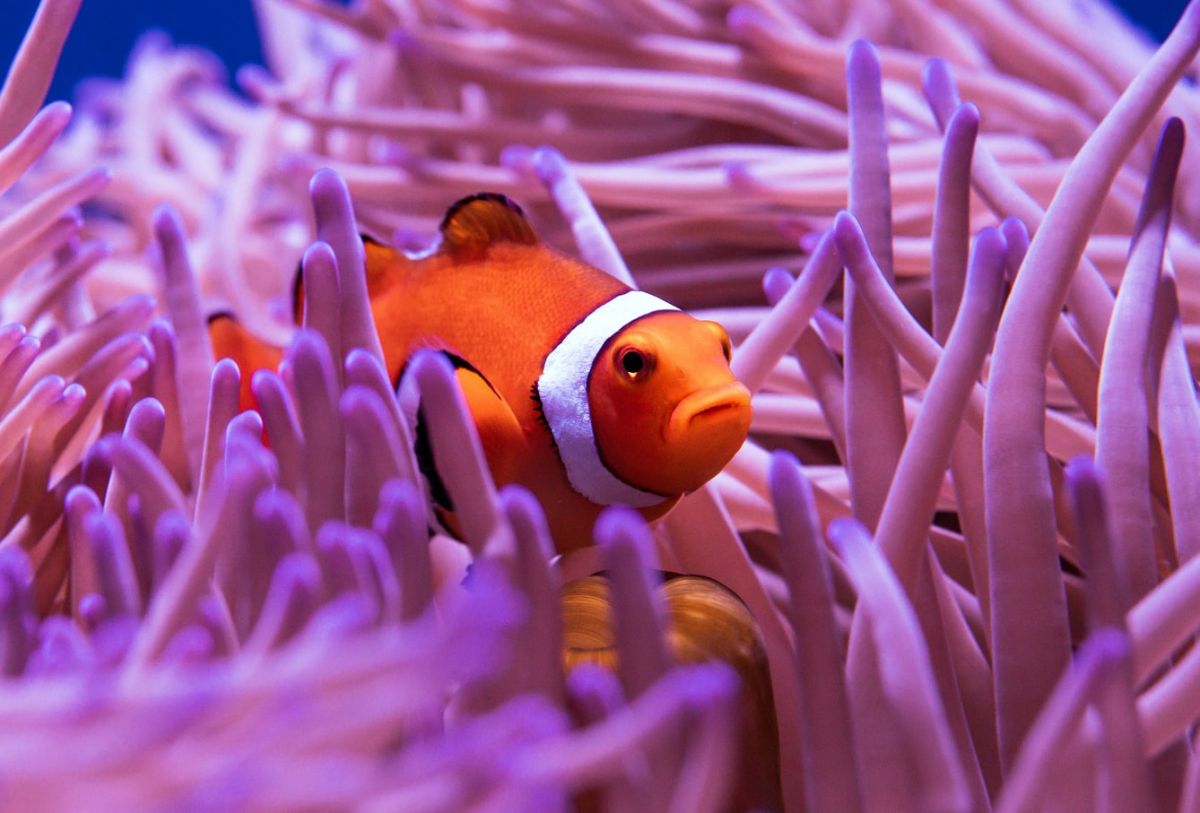
15 facts about Clownfish
Nemo fish
Clownfish are also called anemonefish thanks to their symbiotic behavior with those animals. After appearance in "Finding Nemo" their popularity rapid ...

Did you know?

Hippopotamus
Aside from eating, the entirety of a hippo's life takes place in water.
They spend up to 16 hours a day in it - as a way to cool off. They live mainly in freshwater habitat ...
Otters
Sea otters are known to use tools.
They float on their backs with a rock placed on their belly they use to crack open clams and mollusks.
Octopus
2/3 of an octopus's neurons are located in the animal's arm nerves.
The motor skills of these cephalopods are not managed by the brain but by their unique nervous system located in their legs.
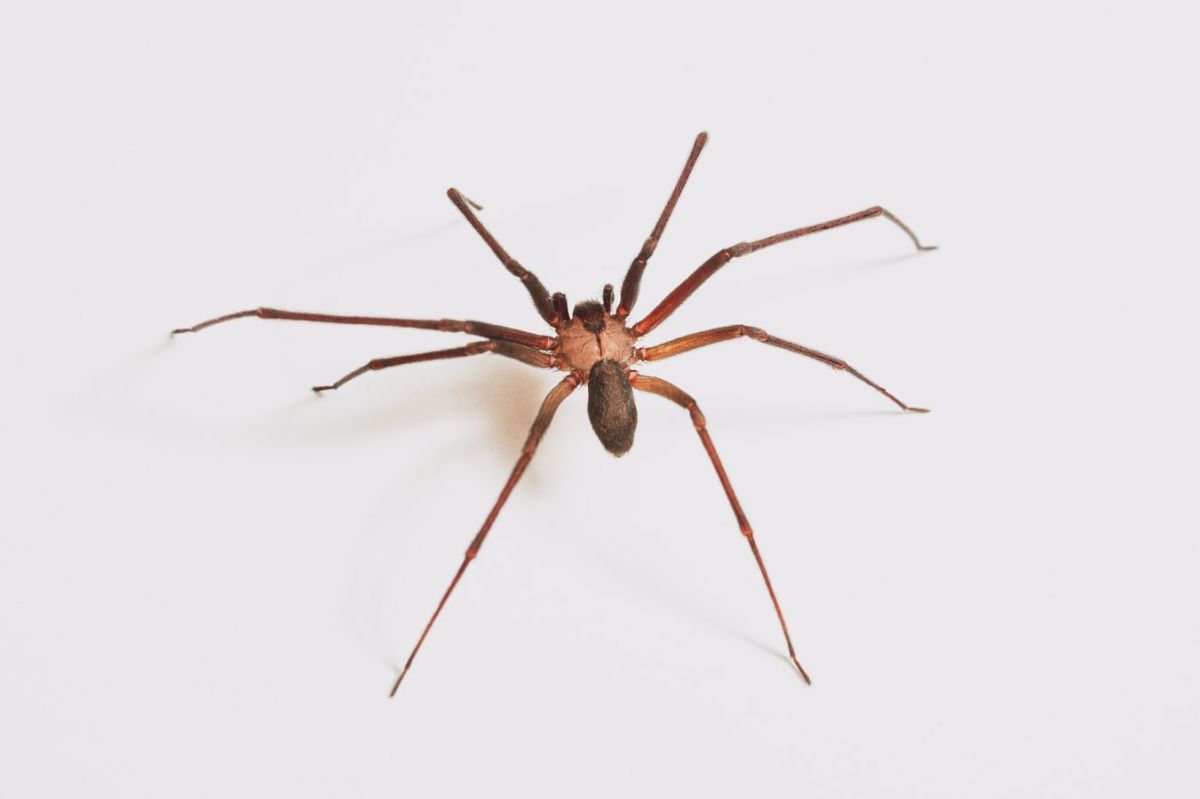
Brown recluse spider
They are susceptible to flat, sticky cards.
It’s believed to be the most effective way to get rid of these unwanted tenants.
Rice's whale
A typical lifespan of a Rice’s whale is 60 years.
Black Caiman
They are the apex predator.
They occasionally fall prey to cougars and jaguars, and there have been cases of a coordinated attacks by giant river otters that resulted in caiman death.
Basking shark
Basking sharks are considered by scientists to be an endangered species.
Due to its slow growth, long gestation period, low reproductive rate and late sexual maturity, the s ...
Quokkas
The average lifespan of a quokka is approximately 10 years in the wild, and up to about 15 years in captivity.
Quokkas can be found in various Australian zoos, including Sydney Zoo, and Perth Zoo.
Northern pike
Larger animals tend to follow their prey, while juveniles prefer to attack from hiding.
Adults are found at depths of several meters, following schools of other fish. In the Baltic Sea, the pike has been reported to follow herring schools.
American flamingo
Because flamingos feed on food from salt water, they often drink seawater.
Their organisms have many mechanisms to help regulate osmosis—for example, salt glands on their beaks secreting brine, which is then removed through the nostrils.